Charting the landscape of wholesale jewelry can be a complex endeavor, necessitating a clear understanding of your specific needs and market dynamics.
Identifying the right wholesaler involves more than just comparing prices; it requires a systematic approach to assess product quality, customer support, and long-term relationship potential.
As you commence on this journey, consider the pivotal factors that will influence your success in the jewelry business. What strategies will guarantee that you not only find a supplier but also forge a partnership that can adapt to the evolving market?
Defining your jewelry needs is an essential step in maneuvering the wholesale jewelry market effectively. Understanding the specific types of jewelry you require-be it fine jewelry, fashion pieces, or custom designs-will help streamline your search for suitable wholesalers.
Additionally, consider the target market for your jewelry; knowing whether you cater to a luxury clientele or a more budget-conscious demographic will influence your purchasing decisions. It is also vital to evaluate the desired materials, styles, and price points that align with your brand identity.
By clarifying these factors, you can establish more focused criteria when sourcing from wholesalers, ensuring that your selections resonate with your customers and support your business objectives. This clarity fosters informed decision-making and enhances overall purchasing efficiency.
With a clear understanding of your jewelry needs, the next step involves researching potential wholesalers who can meet those requirements. Begin by leveraging online platforms, directories, and trade shows to identify reputable wholesalers in the jewelry industry.
Pay attention to their specialization, as some may focus on specific types of jewelry or materials. Utilize professional networks and forums to gather recommendations and reviews from other retailers. Consider the geographic location of potential wholesalers, as this can affect shipping costs and delivery times.
Additionally, evaluate their business practices, including order minimums and payment terms. Contact shortlisted wholesalers directly to discuss your needs, ensuring they are responsive and knowledgeable. This thorough research will lay the foundation for a successful partnership.
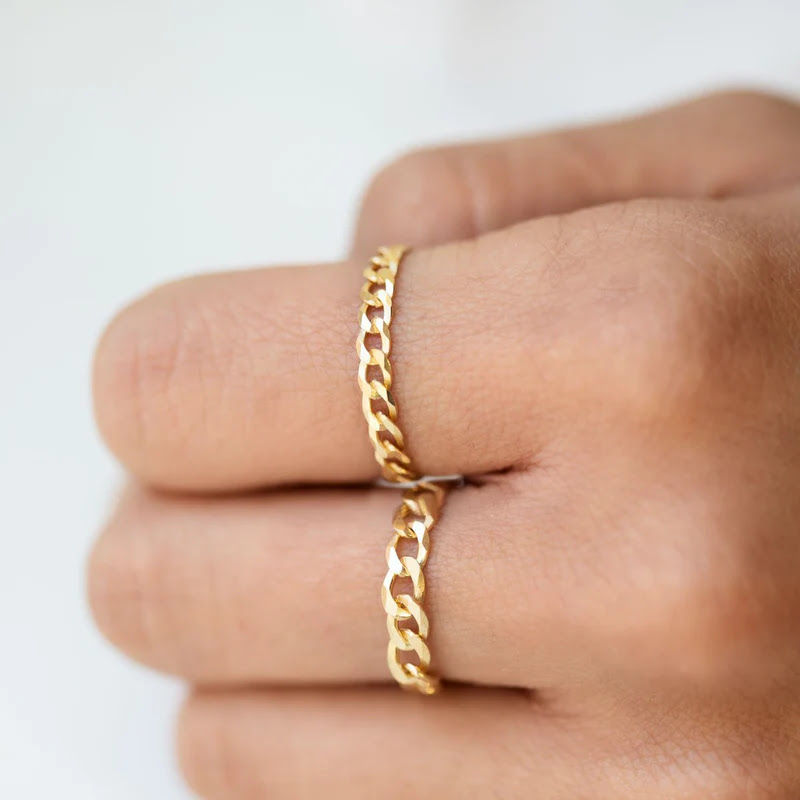
Evaluating product quality is essential in the wholesale jewelry business, as it directly impacts your brand's reputation and customer satisfaction. To assess quality, begin by examining the materials used, such as precious metals, gemstones, and other components.
Authenticity and certification of these materials can provide confidence in their value and longevity. Next, consider the craftsmanship involved in the jewelry pieces. Inspect the finishing, detailing, and overall design consistency. A wholesaler should offer samples or allow you to inspect items in person to confirm they meet your standards.
Additionally, solicit customer feedback regarding durability and wearability, which can provide insights into product performance. Prioritize suppliers who demonstrate a commitment to high-quality standards, as this will benefit your business in the long run.
Understanding the intricacies of pricing structures is vital for wholesalers maneuvering the jewelry market. Different wholesale jewelers may adopt varied pricing models, including cost-plus pricing, tiered pricing, and volume discounts.
Cost-plus pricing involves adding a markup to the production costs, while tiered pricing offers discounts based on order quantities, incentivizing bulk purchases. Additionally, some wholesalers may provide promotional pricing or seasonal discounts to attract retailers.
It is important to analyze these pricing strategies in relation to the quality and uniqueness of the jewelry being offered. Wholesalers should also consider market demand and competitor pricing to guarantee their offers remain competitive. Ultimately, a thorough understanding of these structures will enable wholesalers to optimize their profit margins while providing value to their clients.
Effective customer support is a cornerstone of successful wholesale jewelry operations, greatly influencing retailer satisfaction and loyalty. When evaluating potential wholesale jewelers, assess their responsiveness and accessibility. Prompt communication can indicate a supplier's commitment to service and reliability.
Consider the availability of multiple contact methods, such as phone, email, and live chat, which can enhance your experience. Additionally, inquire about their policies regarding returns, exchanges, and warranties, as these reflect their dedication to customer care.
A knowledgeable support team that can answer inquiries about products, order status, and shipping details is invaluable. Ultimately, a wholesale jeweler with strong customer support not only addresses issues effectively but also fosters a positive working relationship, paving the way for a successful partnership.
Building long-term relationships with wholesale jewelers is essential for retailers aiming to create a sustainable and profitable business. Establishing trust and open communication fosters a mutually beneficial partnership, allowing retailers to gain insights into market trends and product availability.
Regularly engaging with your jeweler can lead to personalized service, exclusive offers, and tailored recommendations, enhancing your inventory and appeal to customers. Consider scheduling periodic meetings to discuss your business needs and feedback, which can help your jeweler better serve you.
Additionally, loyalty can lead to favorable payment terms and priority access to new collections. Ultimately, investing time in nurturing these relationships can solidify your position in the jewelry market and drive growth for both parties.
Effectively handling customer complaints requires a systematic approach. Begin by actively listening to the customer's concerns, demonstrating empathy and understanding. Acknowledge the issue and affirm the customer that their feedback is valued. Offer a resolution that aligns with company policy, while also considering the customer's preferences. Follow up to confirm satisfaction, and use the feedback as an opportunity for continuous improvement. By fostering open communication, you can enhance customer loyalty and trust.
Wholesale jewelers typically accept a variety of payment methods to accommodate their clients' needs. Common options include credit and debit cards, bank transfers, and checks. Some may also offer payment through digital platforms such as PayPal or other electronic wallets. It's advisable to inquire directly with the jeweler regarding their specific accepted payment methods, as policies may vary among different wholesalers, ensuring a smooth transaction process for your jewelry purchases.
When evaluating a jeweler, consider certifications that demonstrate their expertise and commitment to quality. Look for credentials such as the Gemological Institute of America (GIA) certification, which indicates thorough gemology training. Additionally, the American Gem Society (AGS) membership signifies adherence to high ethical standards and professional conduct. Certifications from the International Gemological Institute (IGI) can also assure you of the authenticity and quality of gemstones. These credentials enhance trust and confidence in your jewelry purchases.