Serious anglers understand the importance of having the right gear. Upgrading to high-quality carp fishing rods can greatly enhance performance and reliability on the water.
Features such as length, material, and action play vital roles in a rod's effectiveness. With numerous options available, distinguishing the best choices can be challenging.
Exploring the specifications and top brands will reveal what truly sets these rods apart. What should anglers consider when investing in their next rod?
When selecting a carp fishing rod, it is essential to understand the specifications that define its performance and suitability for various fishing conditions. Key factors include rod length, typically ranging from 10 to 13 feet, which affects casting distance and control.
The test curve, measured in pounds, indicates the rod's strength and sensitivity; a higher test curve suits heavier weights and larger fish. Additionally, the material composition, often graphite or fiberglass, contributes to overall weight and responsiveness.
The action of the rod, whether fast, medium, or slow, influences how it bends under load, impacting hook-setting capabilities. Guides and reel seats are also important, as they determine line management and comfort during prolonged use. Finally, understanding the rod's purpose, whether for still water or river fishing, helps anglers select a rod optimized for their specific environment and fishing style.
Rod length is a critical factor that considerably impacts carp fishing success. Anglers typically choose rods ranging from 10 to 13 feet, with longer rods offering greater casting distance.
A longer rod can help in reaching distant spots, especially in larger bodies of water, while shorter rods provide increased control and maneuverability in confined spaces. Additionally, rod length affects the leverage and power during the fight with a carp, influencing how effectively an angler can manage the fish.
However, the ideal rod length also depends on personal preference and fishing style. Serious anglers often experiment with different lengths to find the perfect balance between casting distance and sensitivity, ensuring they can adapt to various fishing conditions and techniques.
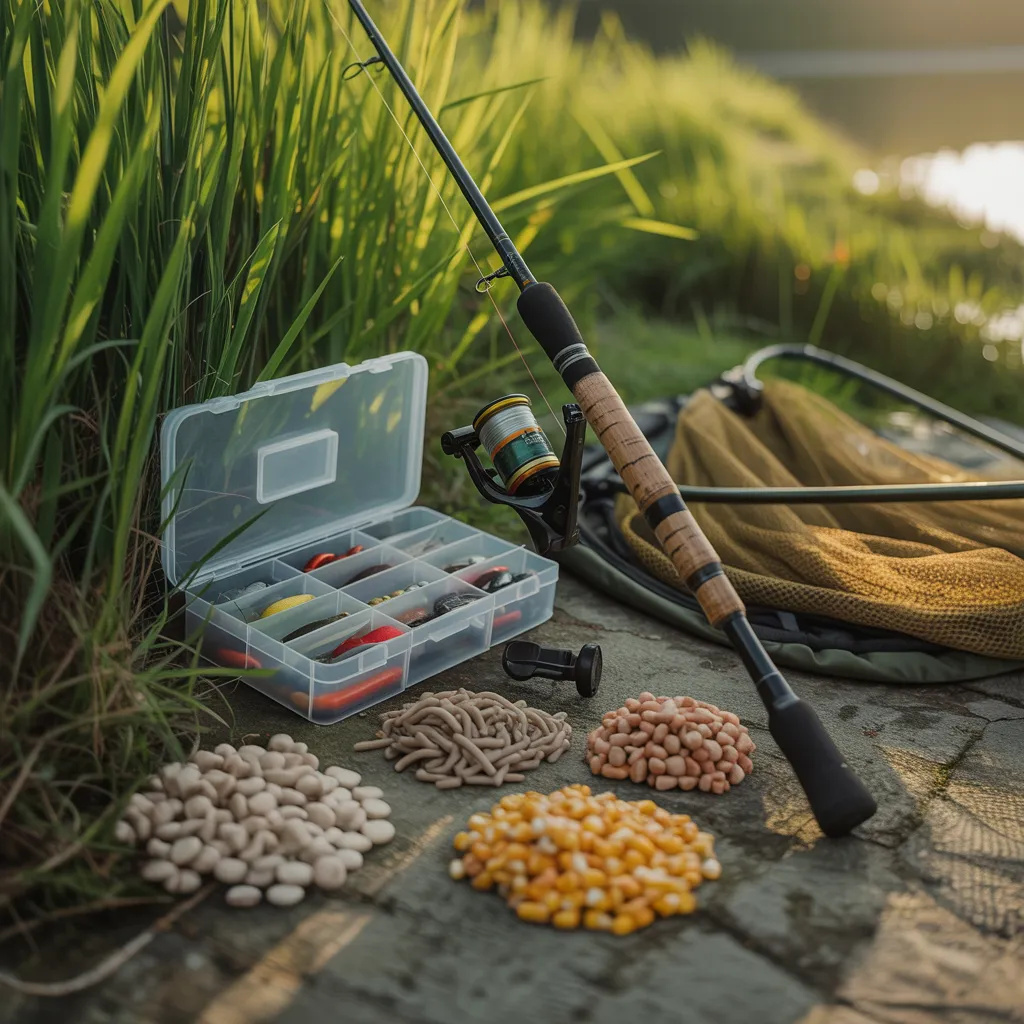
Material and construction quality are paramount in selecting the best carp fishing rods. High-quality rods typically utilize materials such as carbon fiber or fiberglass, known for their strength and sensitivity. Carbon fiber rods are lighter and provide excellent responsiveness, while fiberglass offers durability and flexibility.
The construction method also plays a vital role; multi-piece rods often allow for easy transport without sacrificing performance. Attention should be given to the rod's action, which affects how it bends under load-fast action rods are ideal for long-distance casting, while slower action rods offer better sensitivity.
Finally, quality components, such as guides and reel seats, should be robust and corrosion-resistant, ensuring longevity and consistent performance in various fishing conditions.
For anglers seeking to maximize their casting distance, the choice of a fishing rod can greatly impact performance. Long-distance casting requires rods that combine length, weight, and construction materials effectively. Typically, rods ranging from 12 to 13 feet are favored, as their extended length allows for greater leverage during casting.
Graphite and carbon fiber materials are often preferred due to their lightweight properties, facilitating longer and more accurate casts. A well-balanced rod with a fast action tip provides the responsiveness needed to propel baits further out into the water.
Additionally, rods equipped with larger guides help reduce friction, enabling smoother line flow and enhancing casting distance. Models specifically designed for long-distance carp fishing, such as those from established brands, offer essential features like reinforced tips and ergonomic grips. Selecting the right rod can considerably enhance an angler's ability to reach distant feeding zones, increasing the chances of a successful catch.
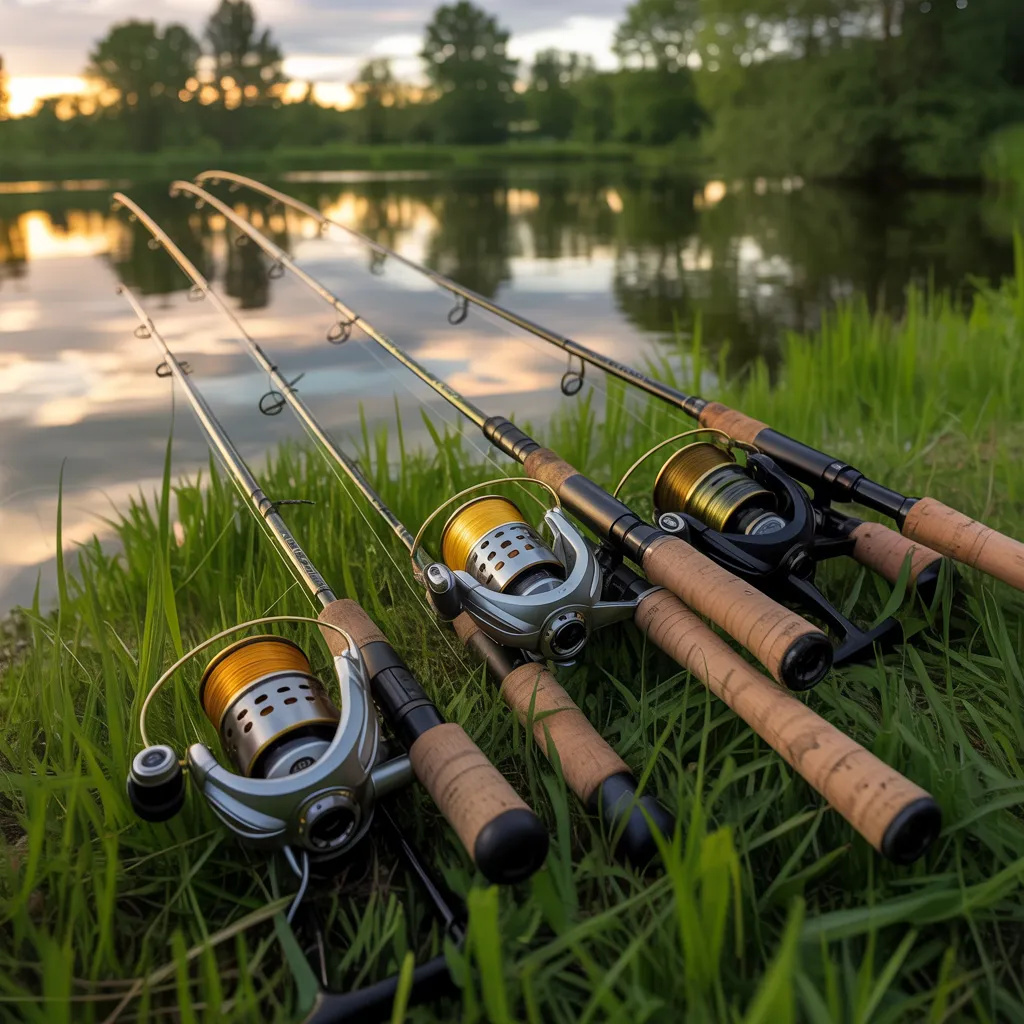
Sensitivity and bite detection are essential elements for carp anglers aiming to improve their catch rates. The best rods in this category feature advanced materials and designs that enhance the angler's ability to feel even the slightest nibbles. High-modulus carbon fiber is often favored for its lightweight properties and superior sensitivity, allowing for quick reaction times.
Models equipped with sensitive tips help translate subtle bites into noticeable feedback, ensuring anglers can respond promptly. Additionally, rods with a parabolic action distribute pressure evenly, reducing the likelihood of losing fish during the fight.
Brands such as Shimano and Daiwa offer rods specifically designed for sensitivity, combining innovative blank technology with quality components to maximize performance. Choosing a rod that excels in sensitivity and bite detection can greatly impact an angler's success, translating into more fish landed and a more enjoyable fishing experience overall.
Many anglers are surprised to find that there are several budget-friendly carp fishing rods that deliver impressive performance without breaking the bank. These rods are often constructed with quality materials, ensuring durability and reliability during extended fishing sessions.
Brands such as Shakespeare, Okuma, and Greys offer models that cater to cost-conscious anglers while maintaining functionality. Many of these rods feature lightweight designs, making them easy to handle, and provide sufficient casting distance for effective carp fishing.
Additionally, some budget options come with features typically found in higher-end models, such as sensitive tips and strong backbone support. As a result, these affordable rods are ideal for both novice and experienced anglers looking to enhance their carp fishing experience without overspending.
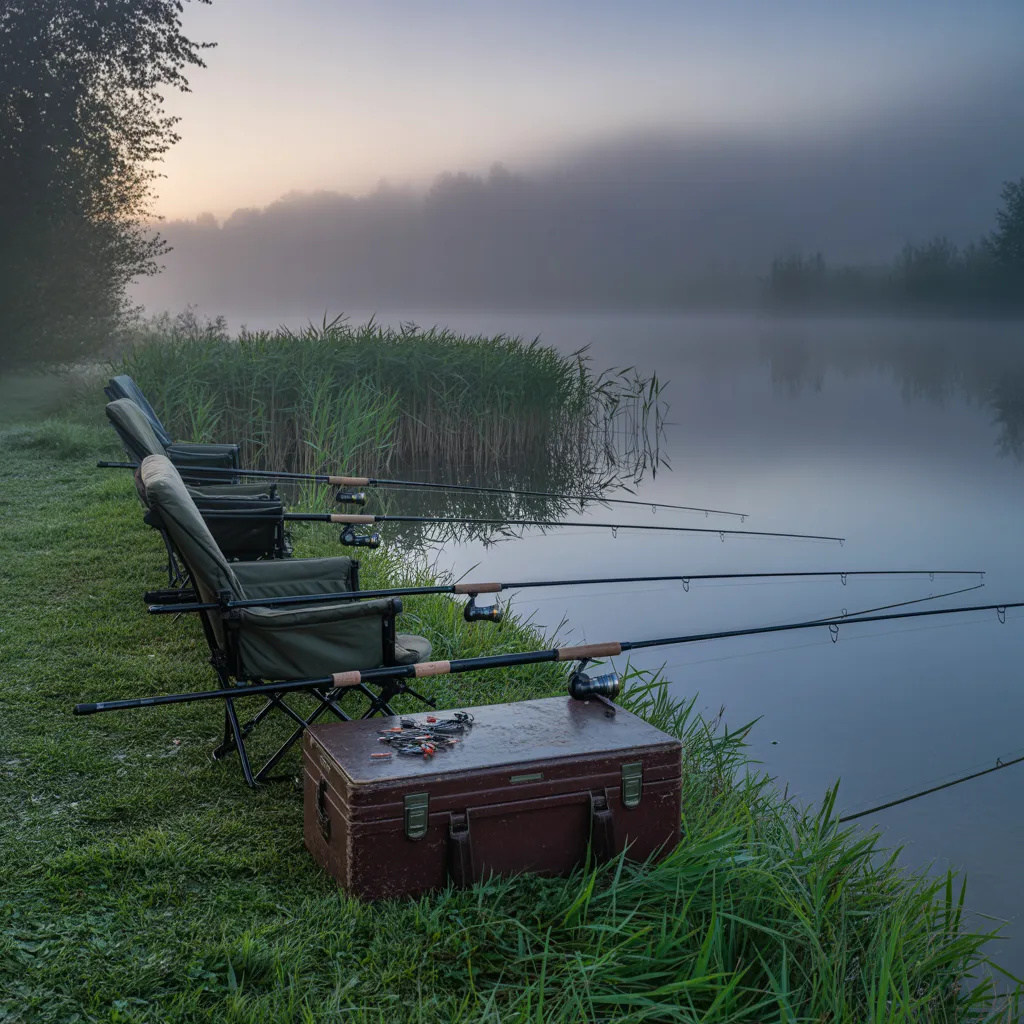
To choose the right reel for a rod, one should consider the rod's specifications, match the reel size to the rod's power, and select a reel type that complements the fishing style and target species.
The best time for carp fishing typically falls during late spring to early autumn. Warmer water temperatures encourage carp to become more active, increasing feeding opportunities and enhancing the chances of successful catches during these months.
To maintain a carp fishing rod, one should regularly clean it after each use, check for damage, verify all components function properly, store it in a cool, dry place, and occasionally lubricate moving parts.