
The debate over heat treatment versus traditional methods for bed bug control is a significant one. Each approach presents distinct advantages and drawbacks.
Heat treatment promises swift eradication without chemicals, while traditional methods offer lasting effects at potentially lower costs. Understanding the nuances of each option is essential for effective decision-making.
As the complexities of bed bug management unfold, the choice may hinge on individual circumstances and preferences. What factors will ultimately influence this critical decision?
When considering bed bug control, how does one choose between heat treatment and traditional methods? Heat treatment involves raising the temperature of an infested space to a level lethal to bed bugs, effectively eradicating all life stages in a single session. This method is often favored for its speed and efficiency, typically requiring only one visit. It also eliminates the need for chemical pesticides, appealing to those concerned about chemical exposure.
Conversely, traditional methods often involve the use of insecticides, which can require multiple applications and may not reach all hidden bed bugs. While generally more cost-effective upfront, these methods may take longer to achieve complete eradication.
Ultimately, the choice between heat treatment and traditional methods depends on factors such as budget, severity of the infestation, and individual preferences regarding chemical use. Evaluating these aspects can help determine the most effective approach for bed bug control.
Bed bugs pose significant challenges for homeowners and renters alike, impacting both comfort and mental well-being. These small, nocturnal insects thrive in human environments, feeding on blood during the night. Their presence can lead to sleepless nights, anxiety, and feelings of embarrassment, often affecting social interactions and quality of life.
Bed bugs are notorious for their ability to reproduce quickly, making infestations difficult to control without prompt action. They can be transported easily through luggage, clothing, and used furniture, spreading rapidly in residential and commercial spaces. Additionally, their resilience to many conventional pest control methods adds to the frustration of those dealing with an infestation.
As awareness of bed bugs grows, so does the need for effective control strategies. Understanding the nature of these pests is essential for developing effective prevention and eradication methods, ensuring a return to peaceful living conditions.
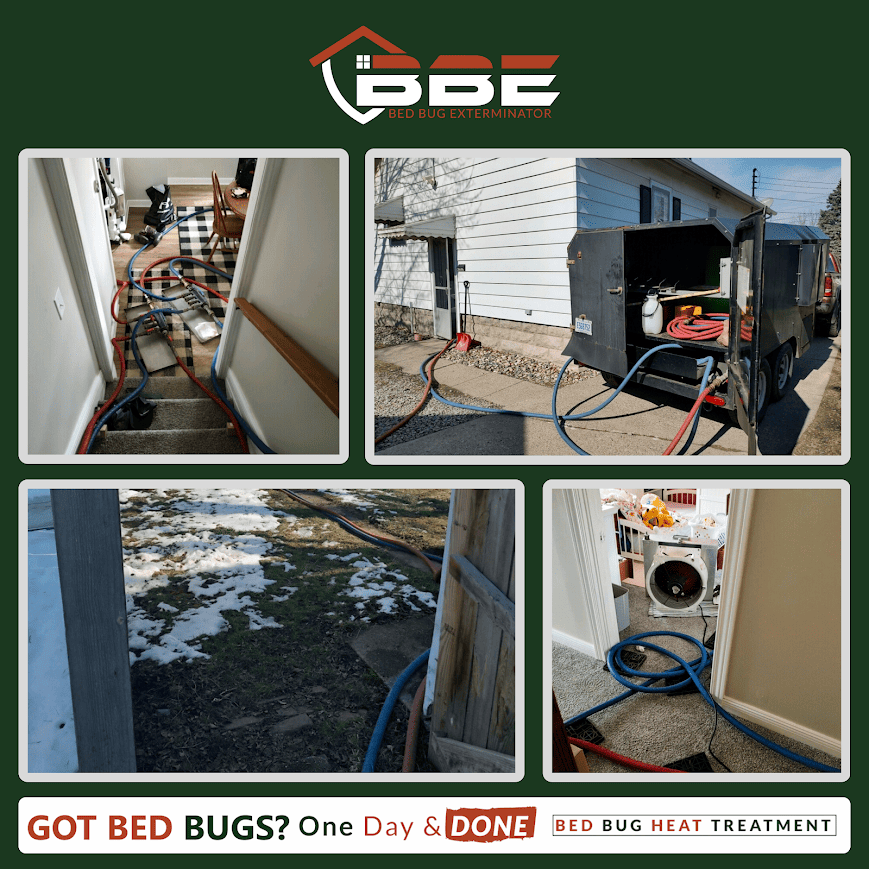
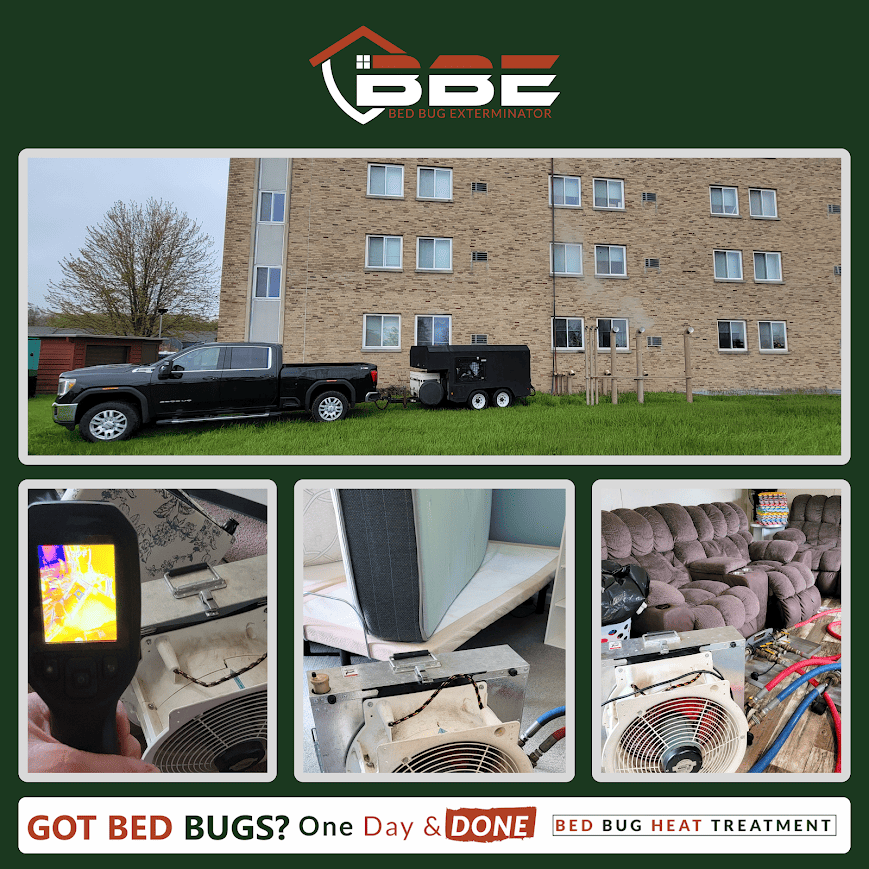
How effectively does heat treatment eliminate bed bugs? Heat treatment targets bed bugs by raising the ambient temperature of infested areas to a lethal range, typically between 120°F to 140°F (49°C to 60°C). At these temperatures, bed bugs, including their eggs and nymphs, are unable to survive.
The process often involves specialized equipment that circulates hot air throughout the infested space, ensuring even distribution of heat. This method is especially advantageous because it penetrates various materials, reaching bed bugs hidden in mattresses, furniture, and crevices.
Unlike traditional chemical treatments, heat treatment does not rely on pesticides, reducing the risk of chemical resistance in bed bug populations. Additionally, the immediate effect of heat can notably decrease the time and effort required for follow-up treatments, making it a compelling option for thorough bed bug eradication.
Although various methods exist for bed bug control, heat treatment stands out due to its effectiveness and numerous advantages. One of the primary benefits is its ability to eliminate all life stages of bed bugs, including eggs, which traditional methods may miss. This all-encompassing approach reduces the likelihood of reinfestation.
Heat treatment also requires less downtime compared to chemical applications. Residents can often return to their homes within hours, minimizing disruption to their daily routines. Additionally, this method is environmentally friendly, as it eliminates the need for harmful pesticides, making it safer for both humans and pets.
Furthermore, heat treatment typically requires fewer follow-up treatments, saving time and money in the long run. Clients can expect a thorough assessment and a quick resolution, often leading to increased satisfaction. Overall, heat treatment provides a reliable and efficient solution for bed bug control.
While heat treatment offers a modern approach to bed bug control, traditional methods have been employed for many years and still hold relevance. Among these methods, the use of insecticides remains predominant. Various chemical formulations, including pyrethroids and neonicotinoids, target different life stages of bed bugs. These substances can be effective when applied correctly, but they often require multiple treatments to manage resistant populations.
In addition to chemical solutions, physical methods, such as vacuuming and steaming, play an essential role. Vacuuming can remove bed bugs and their eggs from surfaces, while steam treatments can kill them on contact. Moreover, encasements for mattresses and box springs serve as a preventive measure, trapping existing bugs and preventing new infestations.
Despite their effectiveness, traditional treatments may also pose environmental and safety concerns, prompting many to seek alternative solutions. Nonetheless, these methods remain a staple in the fight against bed bugs.
Traditional insecticides offer several advantages in the control of bed bugs, particularly due to their proven effectiveness and targeted action. These chemical solutions are formulated to specifically target the biological processes of bed bugs, leading to rapid population reduction.
Additionally, many traditional insecticides provide residual effects, allowing them to remain effective for weeks or even months after application. This long-lasting protection is essential in preventing reinfestation. Another benefit is the extensive research supporting their use, which offers pest control professionals a reliable foundation for choosing effective products.
Furthermore, traditional insecticides are often more cost-effective compared to alternative methods, making them accessible for both residential and commercial settings. With the ability to be applied in various forms-such as sprays, dusts, or aerosols-these insecticides can reach hidden areas where bed bugs harbor. Overall, traditional insecticides continue to play an important role in integrated pest management strategies for bed bug control.
Heat treatment for bed bugs typically takes between six to eight hours to complete. This process involves raising the temperature in the infested area to eliminate pests at all life stages effectively and quickly.
Staying in the home during bed bug heat treatment is not recommended. The high temperatures required for effective treatment can be harmful to individuals and pets, necessitating temporary relocation for safety and ideal results.
Before heat treatment, individuals should remove items like plants, pets, food, medications, and any flammable materials. Electronics and heat-sensitive belongings should also be relocated to guarantee effectiveness and safety during the treatment process.