Skylight roofing offers a practical solution for homeowners seeking to enhance natural light and improve energy efficiency.
This approach not only brightens interior spaces but also contributes to a more sustainable living environment. With various types available, understanding which skylight best suits individual needs is essential.
As advancements in technology continue to emerge, the impact on insulation and energy savings becomes increasingly significant. The following sections will explore these aspects in detail.
Although many homeowners may overlook the advantages of skylight roofing, its benefits are significant and multifaceted. Skylights enhance natural light, transforming dark spaces into bright, inviting areas, which can improve mood and productivity.
They also offer energy efficiency by reducing dependence on artificial lighting, potentially lowering electricity bills. Additionally, skylights can improve ventilation, allowing warm air to escape and promoting a cooler indoor environment.
Moreover, these installations can add aesthetic value to a home, making it more appealing to potential buyers. Overall, incorporating skylight roofing can lead to a more enjoyable and energy-conscious living space.
When considering skylight options, how can one determine the best fit for their home? Various types of skylights exist, each catering to different needs. Fixed skylights offer a sleek design and allow ample natural light, ideal for enhancing aesthetics.
Ventilated skylights, which open for airflow, serve well in humid areas. Tubular skylights provide a compact solution for smaller spaces, efficiently directing light indoors. Finally, solar-powered models enhance energy efficiency by utilizing sunlight for operation.
Evaluating factors such as size, location, and purpose can guide homeowners in selecting the most suitable skylight type for their unique living environment.
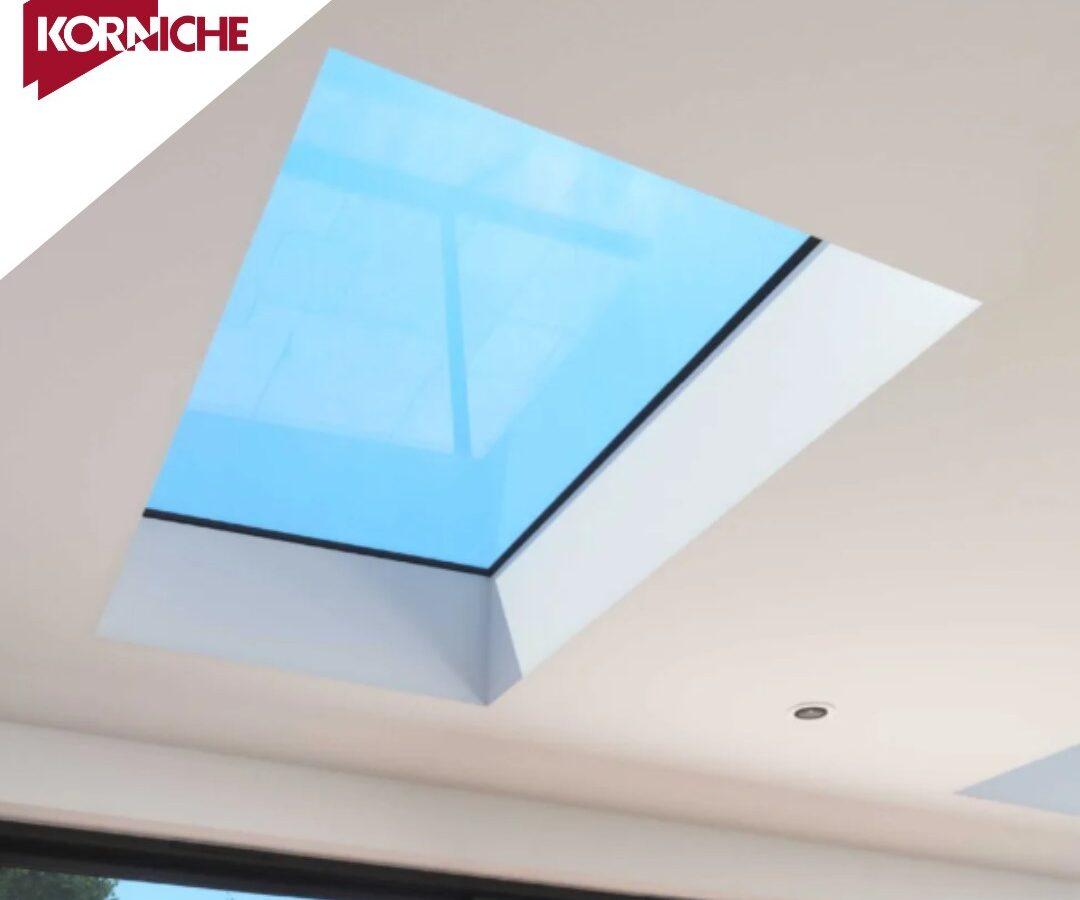
How can homeowners prepare for the installation of a skylight? First, they should consult with a professional to assess the best location and type of skylight for their home. Clearing the installation area of furniture and decor is crucial to facilitate the process.
Homeowners may also need to obtain necessary permits, depending on local regulations. It's advisable to schedule the installation during favorable weather conditions to avoid complications. Finally, understanding the timeline and potential disruptions can help homeowners manage expectations.
By taking these steps, they can guarantee a smoother installation experience, leading to enhanced natural light and energy efficiency.
As homeowners prepare for the installation of a skylight, they may also want to contemplate the latest advancements in skylight technology that can enhance both functionality and aesthetics. Innovations such as electrochromic glass allow users to control light levels and heat gain with the touch of a button.
Additionally, skylights now feature advanced UV-filtering capabilities to protect interiors from fading. Smart skylights equipped with sensors can automatically open or close, optimizing ventilation and comfort.
Moreover, manufacturers are exploring sustainable materials and designs that improve durability and integration into various architectural styles, making modern skylights an appealing choice for contemporary homes.
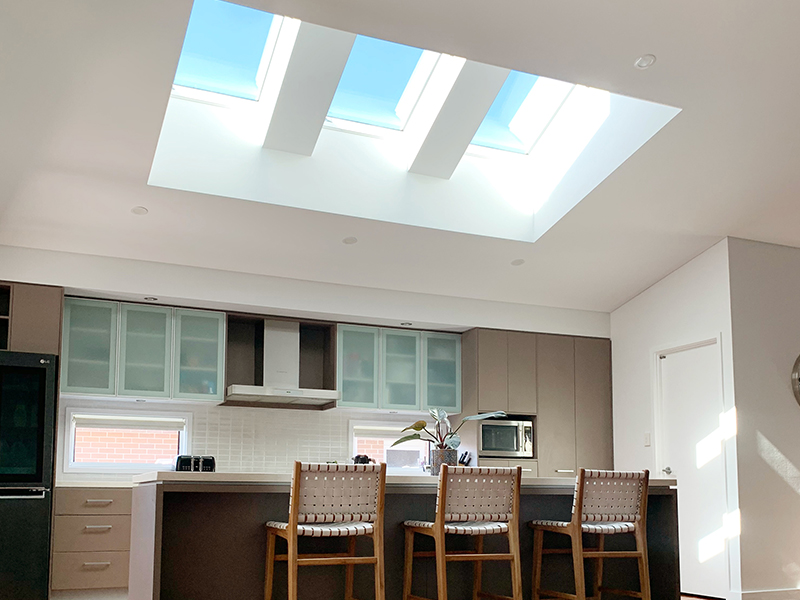
While many homeowners seek aesthetic enhancements through skylights, they often overlook the significant energy efficiency and cost savings these installations can provide. Skylights naturally illuminate spaces, reducing the reliance on artificial lighting, thereby lowering electricity bills.
Additionally, advanced glazing technologies minimize heat transfer, enhancing insulation and decreasing heating and cooling costs. By harnessing sunlight, homeowners can create a more comfortable living environment while contributing to energy conservation.
Moreover, increased natural light can boost productivity and well-being, adding intangible value to the home. Ultimately, the long-term savings on energy expenses make skylights a wise investment for both the environment and the wallet.
Regular maintenance of skylights is vital for guaranteeing their longevity and performance, as neglect can lead to leaks and reduced energy efficiency. Homeowners should regularly inspect the skylights for any signs of damage, such as cracks or deterioration.
Cleaning the glass at least twice a year helps maintain clarity and allows maximum light penetration. Additionally, checking seals and flashing for wear can prevent water intrusion. If any issues are identified, timely repairs are essential.
For those who prefer a professional touch, scheduling annual maintenance with a roofing expert can provide thorough care and address potential problems before they escalate.
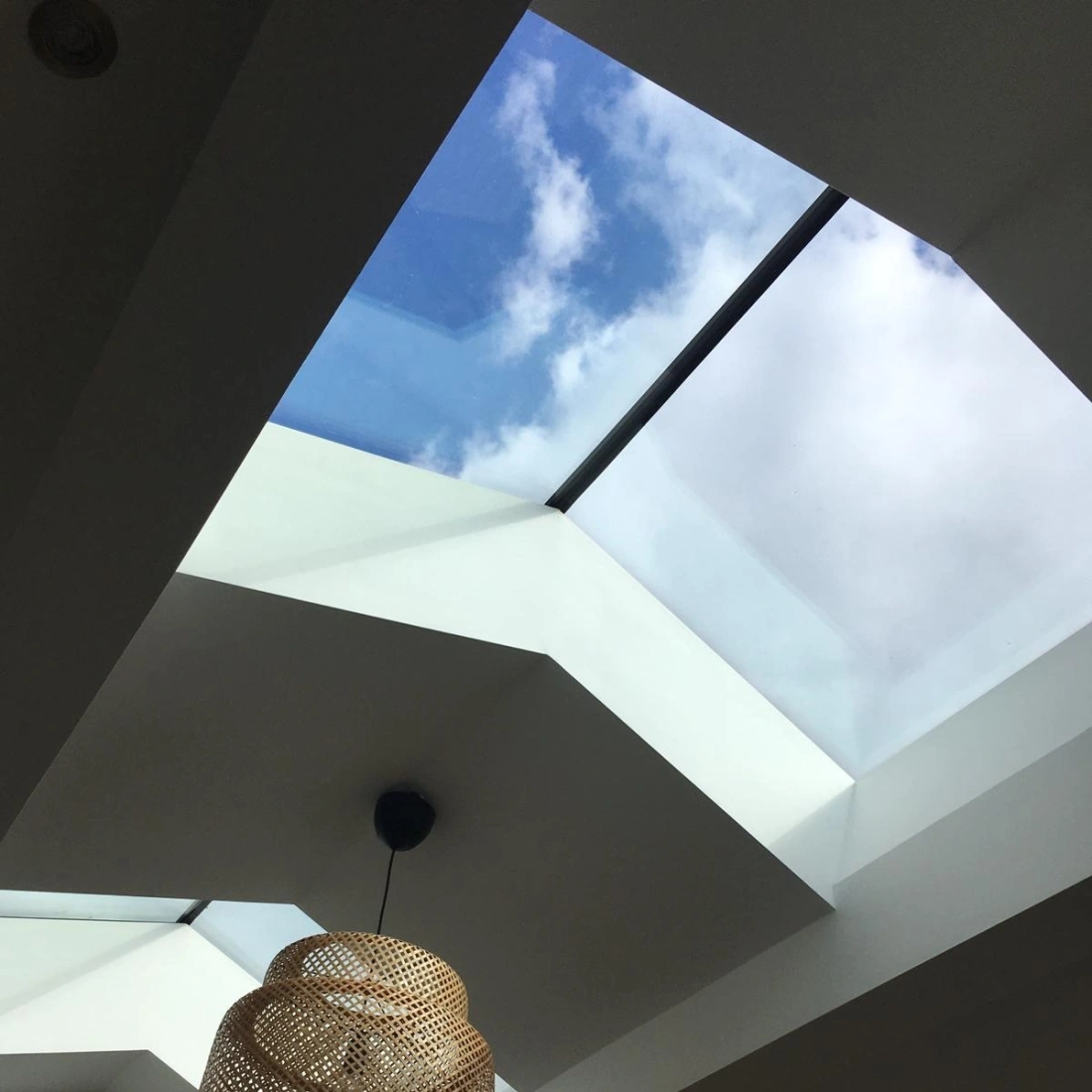
The best practices for cleaning skylights involve several careful steps. First, one should use a soft cloth or sponge with a mild soap solution to avoid scratches. Rinsing with clean water is essential to eliminate soap residue. For hard-to-reach areas, a ladder may be necessary, ensuring safety throughout the process. Avoid harsh chemicals, as they can damage the glass. Regular cleaning, ideally twice a year, helps maintain clarity and functionality.
Yes, skylights can be installed in existing homes. Homeowners often seek to enhance natural light and ventilation by adding skylights to their spaces. The installation process typically involves evaluating the roof structure, selecting appropriate skylight types, and ensuring proper sealing to prevent leaks. Professionals can help navigate any necessary building codes and structural modifications, making it possible to integrate skylights into various architectural styles and existing layouts with relative ease.
The best skylight brands on the market include Velux, Fakro, and Mardal. Velux is renowned for its energy efficiency and diverse options, while Fakro offers innovative designs and excellent warranties. Mardal is celebrated for its high-quality materials and craftsmanship. Other notable mentions include Egress, which focuses on safety and functionality, and Sun Tunnel, known for its tubular skylights that maximize natural light. Each brand provides unique features that cater to various needs and preferences.