
Electric rooflights represent a modern solution for enhancing natural light in both residential and commercial spaces.
They offer significant advantages, from improved energy efficiency to enhanced ventilation. Various designs cater to different architectural styles and personal preferences.
Understanding their installation process and maintenance needs is essential for maximizing their benefits. As more homeowners seek to transform their environments, the question remains: how can electric rooflights truly elevate a space?
Electric rooflights, also known as electric skylights, are innovative architectural features that enhance natural light in interior spaces. These units consist of glass panels installed in roofs, often equipped with automated opening and closing mechanisms.
Operated by remote control or wall switches, they allow users to regulate airflow and light levels easily. Electric rooflights come in various designs and sizes, suitable for residential and commercial buildings alike.
They can be integrated into smart home systems, promoting energy efficiency and convenience. With their sleek aesthetics and functional advantages, electric rooflights represent a modern solution for improving indoor illumination and ventilation.
The advantages of electric rooflights extend beyond mere aesthetics, greatly enhancing the functionality of a space. They provide natural illumination, reducing reliance on artificial lighting and lowering energy costs.
Additionally, electric rooflights improve ventilation, allowing for better air circulation and temperature control. Their programmable features enable users to adjust brightness and openness, optimizing comfort throughout the day.
This versatility contributes to a healthier indoor environment by increasing exposure to natural light, which can elevate mood and productivity. Moreover, electric rooflights can be integrated into smart home systems, promoting convenience and energy efficiency in modern living spaces.
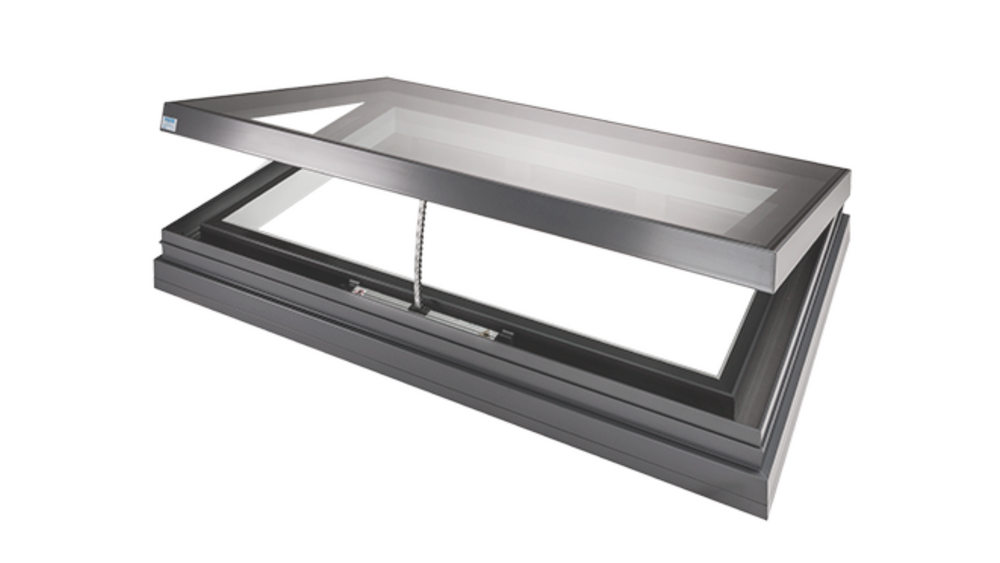
Numerous design options are available for electric rooflights, allowing homeowners and architects to tailor installations to suit specific aesthetic and functional needs. These rooflights come in various shapes, including rectangular, circular, and custom designs, enabling seamless integration with architectural styles.
Options for glazing materials, such as tempered glass or polycarbonate, enhance durability while maximizing light transmission. Additionally, electric rooflights can be fitted with various framing materials like aluminum and wood, providing flexibility in design.
Control systems, including remote access and smart home integration, further enhance usability, allowing users to adjust lighting and ventilation effortlessly while maintaining aesthetic appeal.
A successful installation of electric rooflights requires careful planning and consideration of various factors. First, evaluating the structural integrity of the roof is vital; this guarantees the installation can support the weight and design of the rooflight.
Next, selecting a suitable location maximizes natural light while minimizing obstructions. Proper electrical wiring is essential, necessitating compliance with local regulations and safety standards. Additionally, weatherproofing must be addressed to prevent leaks.
Finally, engaging a professional installer with experience in rooflight installations can greatly enhance the outcome, guaranteeing a seamless integration into the existing structure and ideal functionality of the electric features.
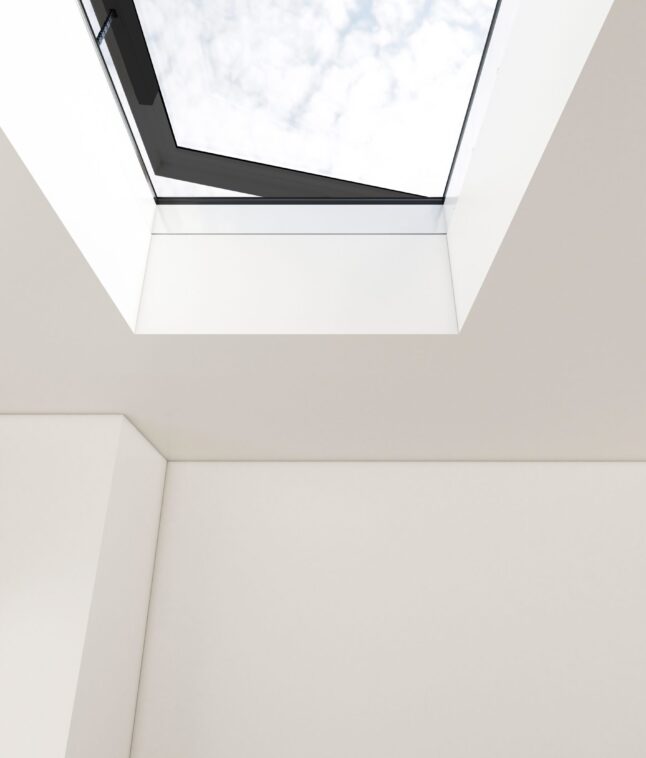
Regular maintenance is essential for ensuring the longevity and ideal performance of electric rooflights. Routine inspections should be conducted to check for any signs of wear or damage, particularly in the electrical components and seals.
Cleaning the glass regularly will enhance visibility and prevent dirt accumulation, which can impede light transmission. Ensuring that the operating mechanisms are functioning smoothly is vital; lubricating moving parts may be necessary.
Additionally, verifying that the drainage system is clear will prevent water buildup. Addressing minor issues promptly can prevent costly repairs and maintain the rooflight's efficiency and aesthetic appeal over time.
While many homeowners seek to maximize natural light, electric rooflights also offer significant potential for enhancing energy efficiency in residential and commercial spaces.
By integrating advanced insulation and automated shading systems, these rooflights can effectively regulate indoor temperatures, reducing reliance on heating and cooling systems. Additionally, the use of energy-efficient LED lighting within these installations contributes to lower energy consumption.
Smart technology allows users to control light levels and heat gain, optimizing energy use throughout the day. Ultimately, electric rooflights not only illuminate spaces beautifully but also serve as a sustainable investment, promoting ecological responsibility and cost savings over time.
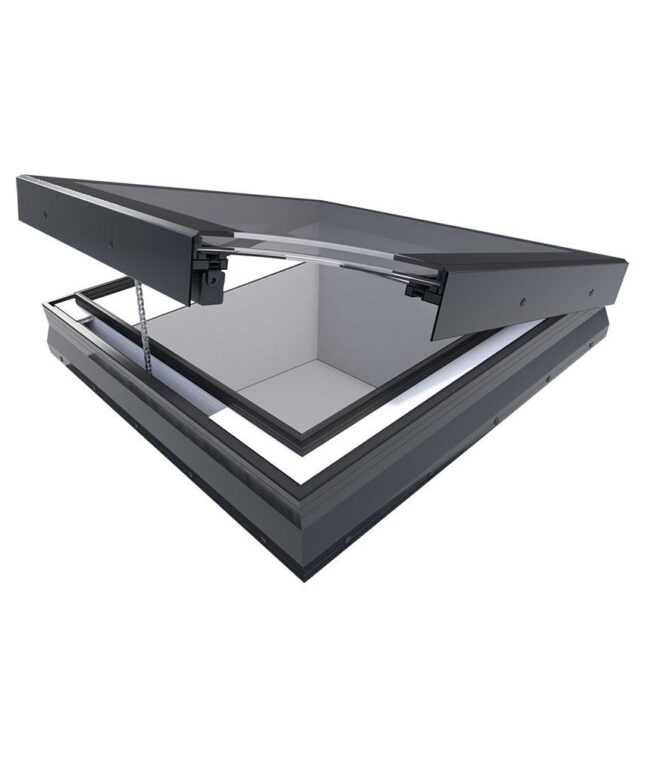
Electric rooflights typically range in cost from $500 to $3,000, depending on various factors such as size, brand, and features. Basic models may be more affordable, while high-end options with advanced technology or custom designs can considerably increase the price. Additionally, installation costs should be considered, as professional installation is often recommended for ideal performance and safety. Overall, the total investment can vary widely based on individual preferences and requirements.
Electric rooflights differ from traditional skylights primarily in their functionality and control. While traditional skylights are fixed and allow natural light to enter without additional features, electric rooflights can be opened and closed electronically, providing ventilation and enhanced light management. This feature enables users to adjust the amount of light and air flow according to their preferences, improving indoor comfort and energy efficiency in a way that conventional skylights cannot.
Yes, electric rooflights can be installed in existing structures. However, the feasibility largely depends on the roof type, structure integrity, and local regulations. A thorough assessment by professionals is essential to guarantee compatibility and safety. Additionally, modifications may be required to accommodate the electrical systems and guarantee proper insulation. With careful planning and execution, existing buildings can benefit from enhanced natural light and ventilation through electric rooflights.