In the domain of welding, the integration of third-party inspection services can greatly enhance project efficiency and cost management.
By providing an impartial assessment of welding practices, these inspections not only guarantee adherence to regulatory standards but also preemptively identify flaws that could lead to extensive rework and delays.
This proactive approach not only safeguards the integrity of the final product but also fosters a culture of quality within the organization. However, the full scope of these benefits may not be immediately apparent, prompting a closer examination of how such evaluations can transform operational dynamics.
Third-party inspections serve as a critical assurance mechanism in the welding industry, providing an objective evaluation of welding processes and outcomes. These inspections are performed by independent entities that are not affiliated with either the contractor or the client, ensuring an unbiased assessment.
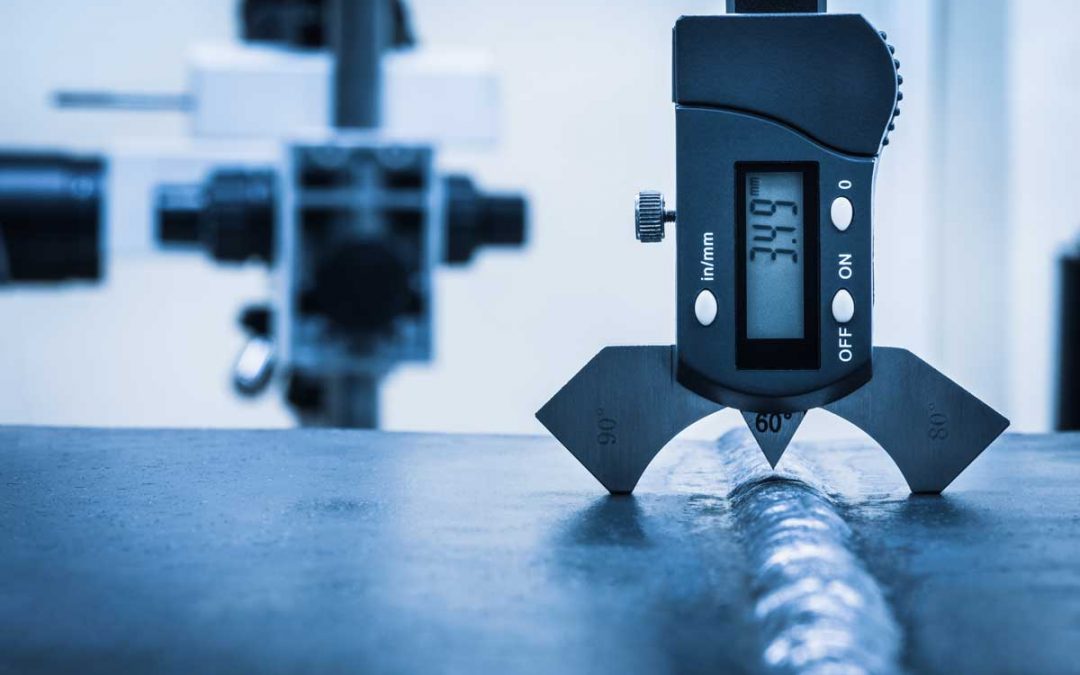
During a third-party inspection, qualified inspectors assess various aspects of the welding process, including material selection, joint preparation, welding techniques, and post-weld treatments. They may utilize a range of non-destructive testing methods to evaluate the integrity of welds without compromising their structure.
Furthermore, third-party inspections help identify potential issues early in the process, allowing for timely corrections and reducing the risk of costly rework or project delays. This proactive approach not only enhances the overall quality of the work but also contributes to the reliability of the final product.
Independent evaluations in the welding industry offer numerous benefits that greatly enhance project outcomes. By engaging third-party inspectors, organizations can guarantee that they are adhering to industry standards and regulations, which is vital for maintaining safety and quality in fabrication processes.
One of the primary advantages of independent evaluations is the ability to leverage specialized expertise. Third-party inspectors often have extensive experience and training, allowing them to identify potential issues that internal teams may overlook.
Moreover, independent evaluations can foster better communication among stakeholders. When an impartial inspector provides feedback, it promotes transparency and trust among project teams, clients, and regulators. This collaboration can streamline decision-making processes and enhance overall project efficiency.
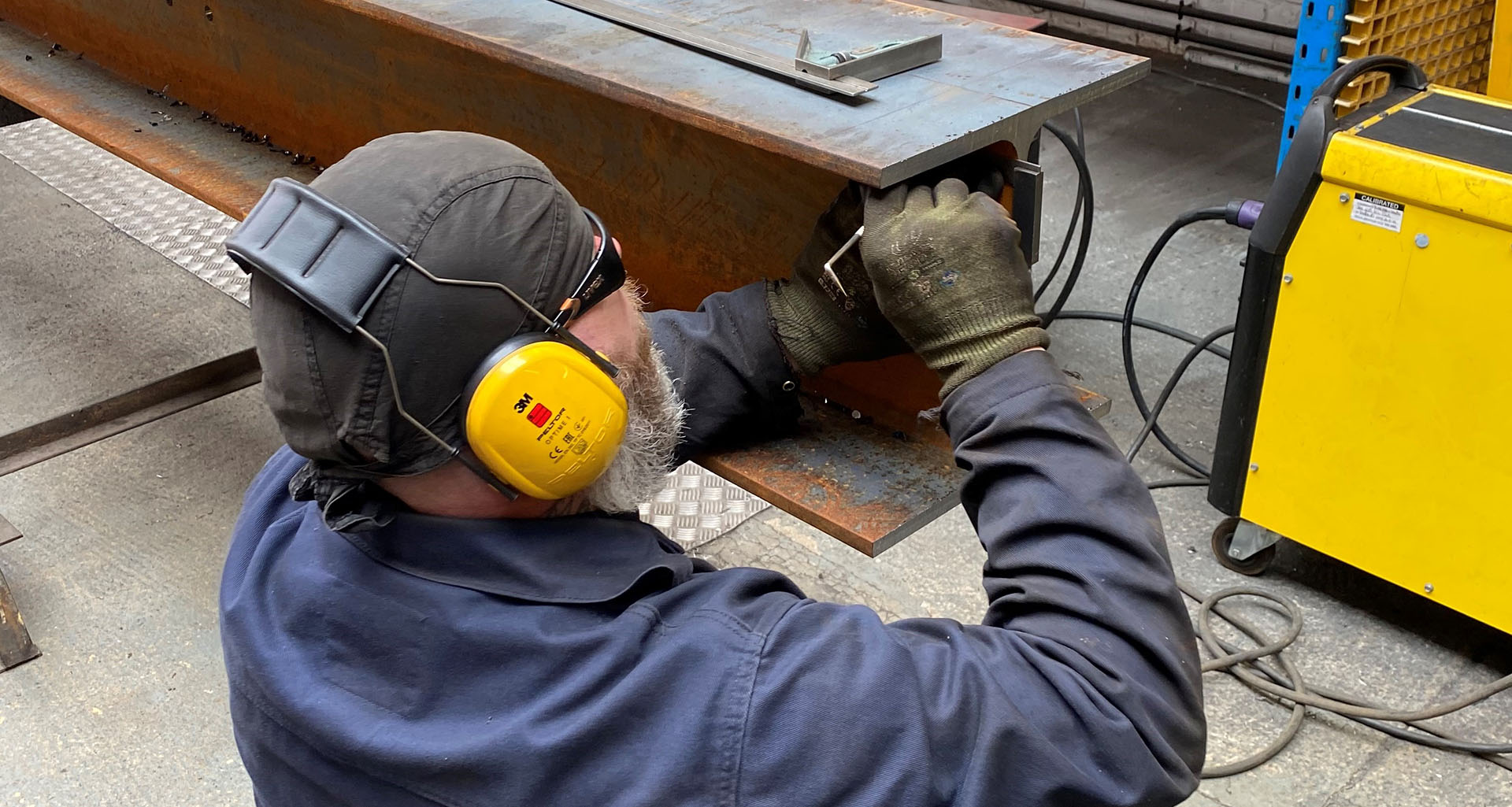
Proactively identifying issues early in the welding process is essential for ensuring project success and mitigating risks. Third-party welding inspection services play a critical role in this phase by offering an impartial assessment of welding practices and outcomes. Engaging independent inspectors allows for the early detection of non-conformities.
By conducting inspections during key stages of the welding process, potential defects can be identified before they escalate into larger problems. This early intervention not only safeguards the integrity of the final product but also fosters a culture of quality and accountability among the welding team.
Ultimately, addressing problems at their inception reduces the likelihood of costly repairs and enhances overall project efficiency. This proactive approach not only saves time but also reinforces the importance of quality assurance in welding operations, leading to more successful project outcomes.
Reducing rework and delays in welding projects is vital for maintaining timelines and controlling costs. Third-party welding inspection plays an important role in achieving this objective by providing an independent assessment of welding quality before proceeding to subsequent project phases.
By engaging a qualified third-party inspector, organizations can guarantee that welding practices adhere to established specifications and standards, thereby avoiding potential errors that might otherwise go unnoticed. This proactive approach not only streamlines workflows but also enhances the overall efficiency of the project.
Moreover, third-party inspectors bring a wealth of experience and specialized knowledge, empowering teams to make informed decisions that mitigate risks associated with welding defects. Their expertise can also facilitate better communication among stakeholders, fostering a collaborative environment focused on quality outcomes.
Guaranteeing compliance with industry standards and regulations is essential in the welding sector, as it directly impacts safety, quality, and project success. Third-party welding inspection services play a crucial role in this process by providing an unbiased assessment of welding practices and materials.
By employing third-party inspectors, companies can identify potential compliance issues before they escalate into costly rework or project delays. These professionals bring specialized knowledge and experience, allowing them to evaluate welding processes thoroughly.
Furthermore, third-party inspections enhance a company's credibility in the marketplace. Clients and stakeholders are increasingly seeking assurance that projects meet rigorous safety and quality standards. By demonstrating compliance through third-party inspections, businesses can build trust and foster long-term relationships with clients.
The investment in third-party welding inspections can lead to significant cost savings for companies in the long run. By employing independent inspectors, businesses can guarantee compliance with industry standards and regulations, reducing the risk of costly rework and penalties associated with non-compliance.
Furthermore, third-party inspections can enhance the reliability of welding processes. With professional evaluators evaluating weld quality and procedure adherence, companies can avoid the expenses related to product failures, warranty claims, or litigation resulting from subpar work.
Ultimately, while there is an upfront cost associated with third-party inspections, the long-term financial advantages, including reduced risk of failure and enhanced operational efficiency, make it a strategically sound investment for any organization involved in welding.
Yes, third-party inspectors can provide training and certifications, enhancing industry standards and workforce competency. Many accredited inspection organizations offer specialized training programs that encompass welding techniques, safety protocols, and quality assurance practices. These programs often culminate in certifications recognized by industry stakeholders, ensuring that personnel possess the necessary skills and knowledge to uphold quality standards. Engaging with third-party inspectors for training can greatly benefit organizations seeking to improve operational efficiency and compliance.
Various industries commonly require third-party welding inspections to guarantee compliance with safety and quality standards. Key sectors include construction, aerospace, automotive, oil and gas, and manufacturing. These inspections are pivotal in verifying that welds meet specified codes and regulations, thereby mitigating risks associated with structural integrity and operational reliability. Additionally, industries such as shipbuilding and energy production also rely on third-party inspections to uphold the highest safety and quality benchmarks.
Third-party inspections can indeed be conducted remotely, particularly when leveraging advanced technologies such as video conferencing, drones, and digital documentation tools. Remote inspections allow for real-time assessments and effective communication between stakeholders. However, the feasibility of remote inspections largely depends on the complexity of the welding work and the specific requirements of relevant codes and standards. Ultimately, a thorough evaluation should determine when remote inspections are appropriate versus in-person assessments.